
REACH’s community investment approach continues to be grounded in feedback from partners and community members across our region. Hearing from and listening to the community serves as both a learning avenue and guide, ensuring that our grantmaking aligns with the realities and needs on the ground while advancing more equitable health outcomes.
In 2025, the Foundation’s investments reflected a continued commitment to supporting partners at a time when stability and flexibility were critical. More than $2.2 million was awarded toward Strengthening the Safety Net, with the majority provided as unrestricted support to core partners to sustain essential services and strengthen organizational capacity.
Through Bridge the Coverage Divide, the Foundation continues investing in trusted, community-based efforts that help priority populations access and maintain health care services. Investments totaling over one million dollars in support of care connectors helped individuals navigate complex health and social services, while civic engagement investments supported access to information and strengthened community voice around issues that impact health, coverage, and well-being.
Over $960,000 was also invested in Close the Health Equity Gap to ensure ongoing support of communities disproportionately impacted by barriers to care. The Foundation’s efforts, focused on integrating the learnings from Centering Black Voices into all of its grantmaking, strengthening immigrant and refugee communities, and addressing growing concerns in rural communities where partners faced uncertainty around hospital closures, funding instability, and the impact of the Rural Transformation funding on long-term access to care.



In 2025, REACH launched the first year of the Rapid Equity Fund creating a new partnership with Wyandotte Health Foundation. This collaborative grantmaking opportunity was shaped by direct feedback from community partners who shared the need for faster, more flexible support with fewer administrative barriers. At a time when many organizations were navigating funding cuts and ongoing uncertainty, the fund was designed to respond with flexibility, trust, and responsiveness.
In its first year, the Rapid Equity Fund awarded a total of $91,500 across 19 organizations. These investments supported timely, community-driven responses to urgent and evolving needs, from expanding access to mental health services to strengthening care coordination and health navigation efforts. The fund reflected the essence of a trust-based approach to grantmaking that was steeped in shifting power with those that are closest to the work.
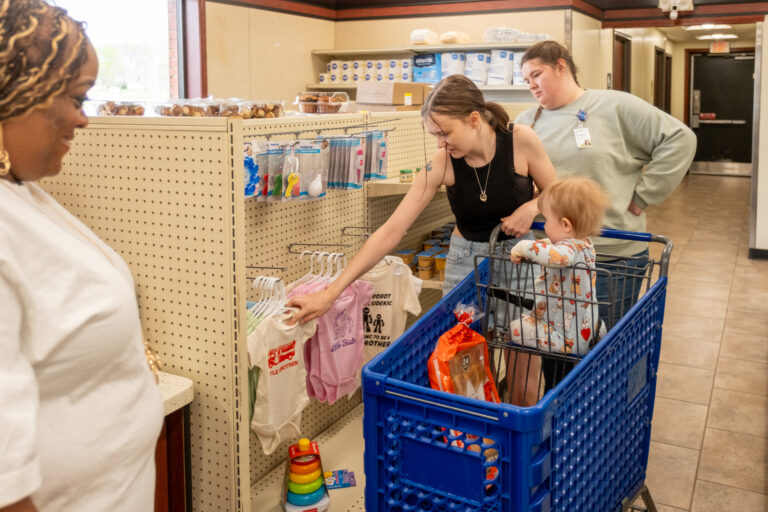
“At a time when many government–funded programs were being cut without notice, this funding gave us the flexibility to meet people where they were and respond to real needs in real time. It strengthened our programs and affirmed the importance of community-led solutions.”
In fall 2025, REACH began its next phase of strategic planning that was informed by many conversations with partners, community members, and those closest to the needs of priority populations across Kansas and Missouri. This process was designed to shape a future direction for the foundation that meets the needs, addresses the challenges, and seizes the opportunities before the Foundation in the years ahead.
Throughout these rich conversations, several priorities remained clear. The foundation should continue its commitment to expanding access to care through investing in care connectors, strengthening support for immigrant and refugee communities, and advancing racial equity through Diversity, Equity, Inclusion, Accessibility, and Belonging (DEIAB) efforts. These focus areas reflect both sustained commitments and the ongoing needs identified by partners across the region.
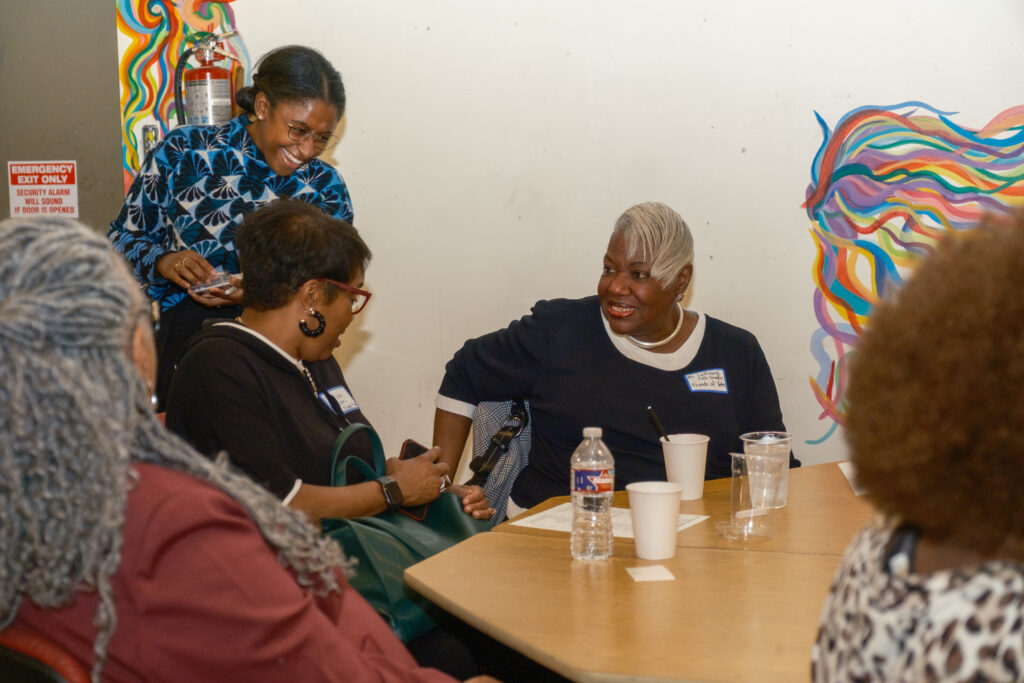
Care connectors continue to be a critical part of advancing access to care across the community. These trusted individuals serve as a bridge between people and the systems designed to support the health and well-being of our communities.
Care connectors meet individuals and families where they are, helping people understand and navigate complex and often fragmented systems to connect them to coverage, care and essential social resources. Their presence builds trust and creates pathways to care that might not otherwise exist.
In many cases, Care Connectors are the difference between someone going without care and someone getting their needs met. Their work reflects the importance of meeting people where they are, building upon trusted community relationships, and imbedding the work in community to improve health outcomes.
The Foundation remains committed to sustaining and strengthening the efforts of care coordination and benefit enrollment services, recognizing that access to care and coverage is not only about availability, but also about building trust, connection, and the ability to navigate complex health and social systems with confidence.
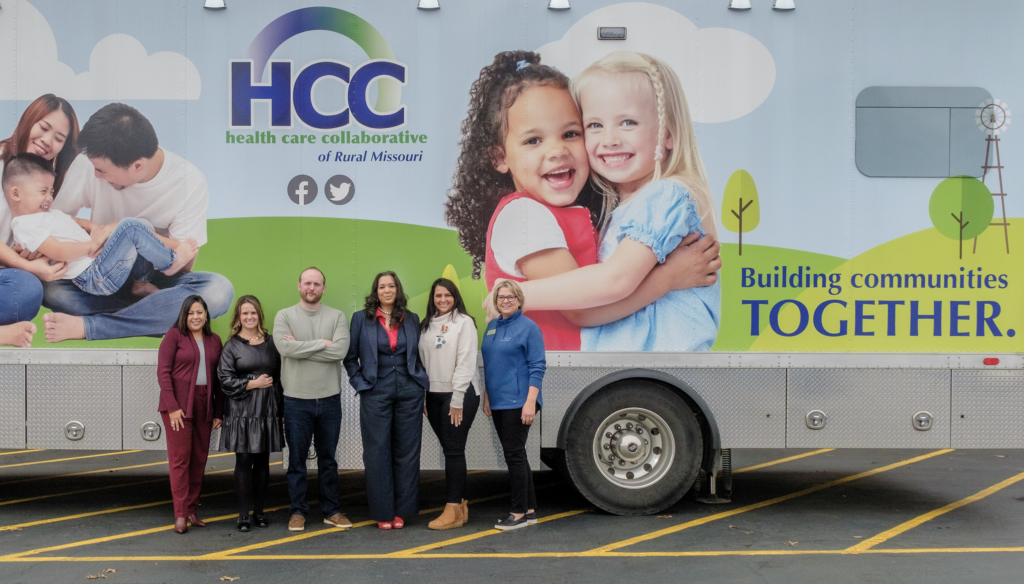
“Funding from the REACH Foundation is critical to the continuation of our work with Community Health Workers in our rural communities. CHW’s support our work in both clinical and community-based settings, allowing our patients to have a more thorough understanding of the resources available to them as they navigate their health and social needs.”
In 2025, immigrant and refugee communities across the region experienced increased fear and uncertainty, driven in part by heightened federal immigration enforcement. These conditions created additional barriers to care, often leading individuals and families to delay or avoid seeking essential health services.
Despite these challenges, REACH remained steadfast in our belief that everyone deserves access to quality, affordable health care, regardless of citizenship status. This commitment continued to guide investments throughout the year and build our immigrant health portfolio.
Support for organizations deeply rooted in immigrant and refugee communities remained a critical part of this work. Partners such as El Centro, Children’s Mercy Hospital (Adelante), Better Together, Juntos (KU), and others continued to provide culturally responsive care and support, helping individuals and families access services with dignity, safety, and trust, even in the face of uncertainty.

Amid a shifting national landscape where efforts to advance DEIAB were under attack, the Foundation remained committed and stood alongside our partners in this work. Through our partnership with the Community Health Commission of Missouri, a series of DEIAB workshops were convened to understand historical context, build shared understanding, strengthen practices, and support more equitable outcomes across health and social services. Addressing racial equity improves health outcomes for everyone, and these workshops helped reinforce why this work must remain central to how organizations serve and support their communities.
These sessions created space for learning, reflection, and authentic dialogue. Participants explored how racial equity showed up in their work and identified opportunities for organizations and systems to better reflect and respond to the communities they serve.
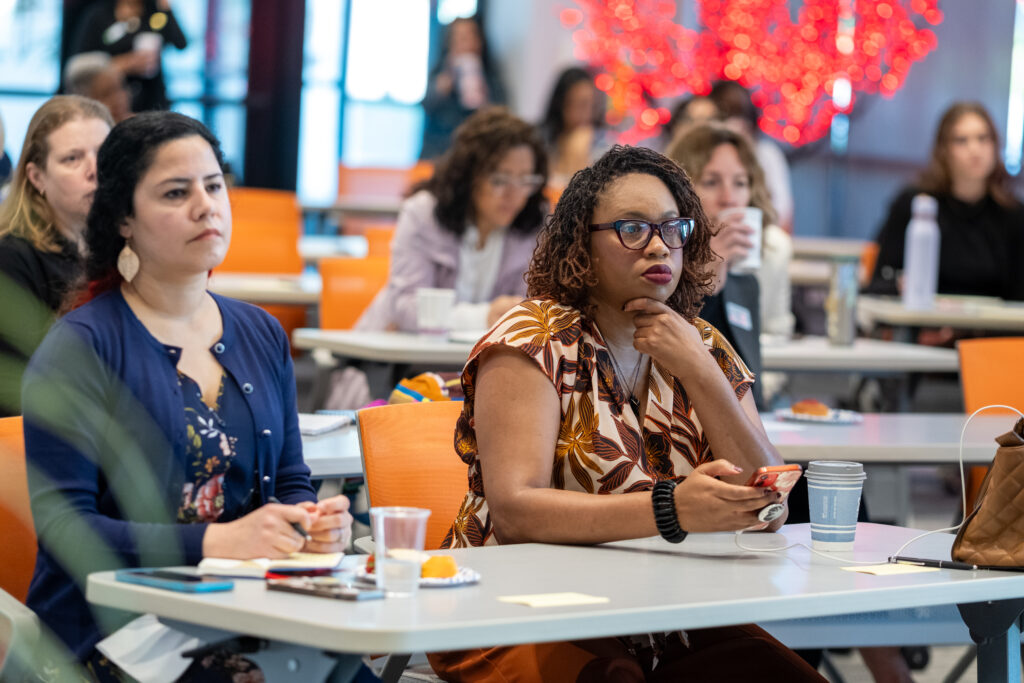
The conversations reinforced a consistent truth: advancing racial equity requires a bold ongoing commitment. It calls for intentional practice, openness to learning, and a willingness to adapt in response to changing conditions. As this work continues to evolve, the Foundation remains committed to embedding these principles not only in its funding, but also in how we show up to listen, lead, and evolve.
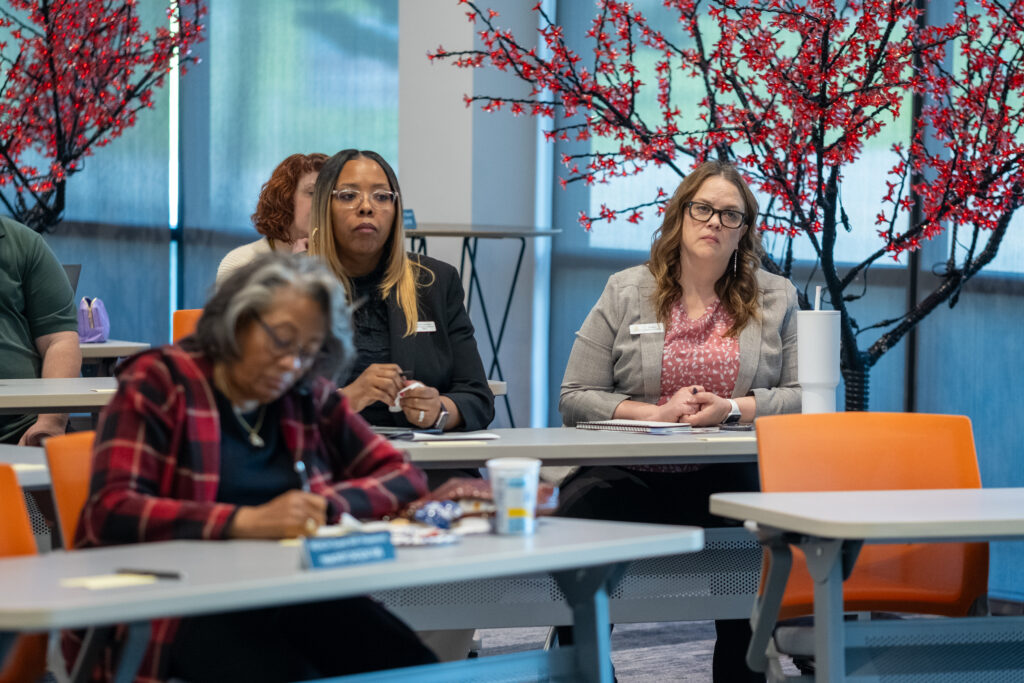
The REACH Foundation is governed by a 17-member board of directors who reside within the foundation’s six-county service area. REACH Board members bring diverse demographic and life experiences, passion for the communities where they live and work, and governance, civic, nonprofit and business expertise.