

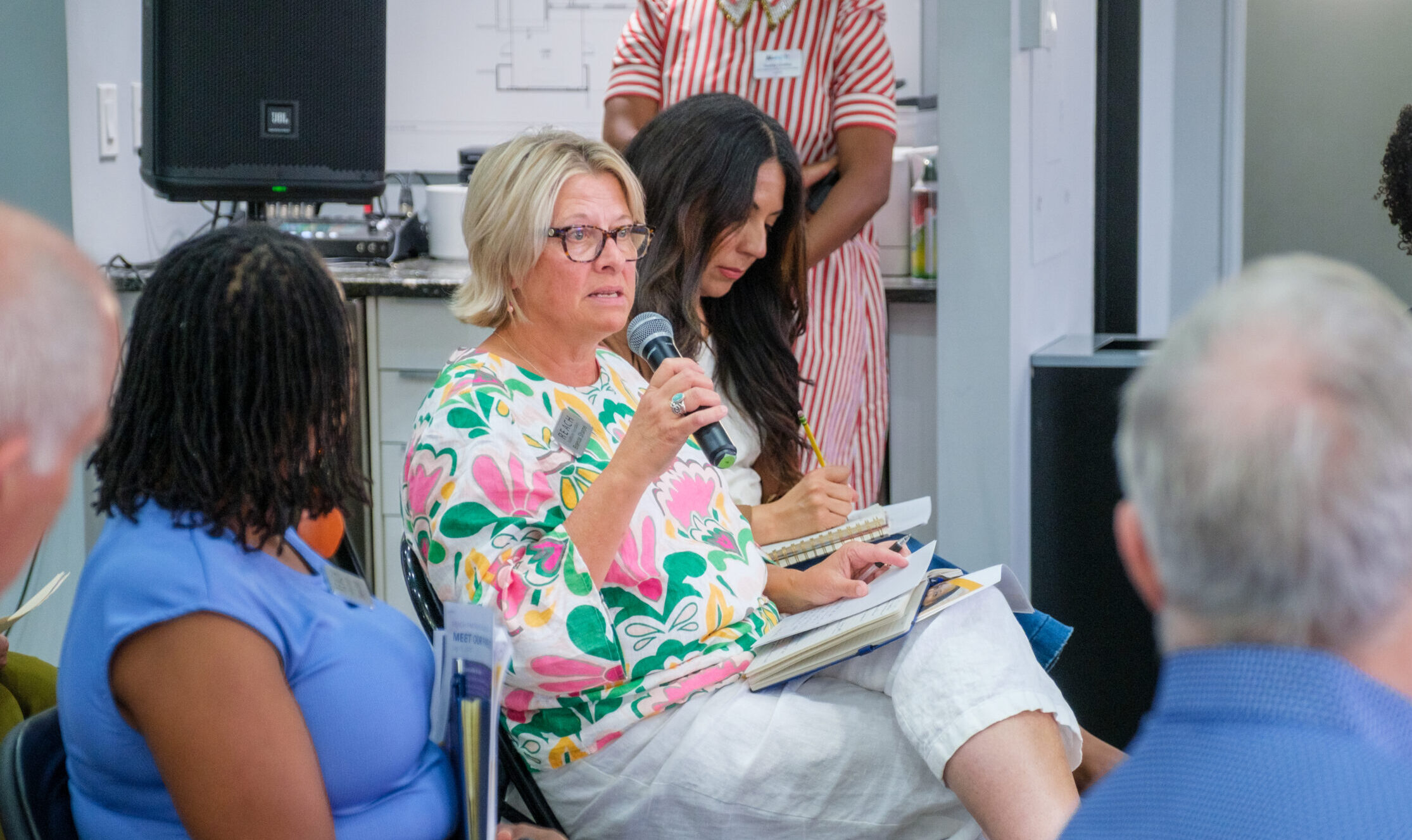
After a year of listening, learning and deep reflection, REACH Healthcare Foundation is preparing to enter its next strategic plan implementation period with a clear direction: staying the course on the work that the communities served by the Foundation have affirmed remains essential to improving health across the region.
The Foundation’s 2027-2029 strategic direction will guide its priorities beginning in January 2027 and will continue to center its Community Investment Framework on three focus areas: Strengthening the Safety Net, Closing the Health Equity Gap and Bridging the Coverage Divide.
The decision is responsive and intentional.
The nonprofit health and human services sector is navigating significant policy changes, experiencing reduced public investment, and facing growing uncertainty about access to health care and public benefits. REACH heard loud and clear that what its partners need most is stability, flexible resources and continued investment in the work already underway.
“What became clear through this process is that the work at the center of REACH’s mission is not finished,” said Brenda Sharpe, president and CEO of REACH. “In fact, it is under attack. Communities are still facing real barriers to care, coverage and opportunity, and our partners are being asked to take on more responsibilities traditionally supported by the public sector. Staying the course gives the Foundation the opportunity to remain steady where it matters while being more intentional about how its resources, relationships and voice can make a difference in the next three years.”
A Strategic Plan Shaped by Community
“The board entered this process ready to consider where REACH needed to go next,” said REACH Board President Patti Miklos-Boyd. “Our stakeholders overwhelmingly said that the Foundation’s existing priorities continue to address real and urgent needs across the region. The opportunity now is to build on that foundation and be thoughtful about how REACH can have the greatest impact in the here and now.”
For the yearlong planning phase, REACH partnered with Community Wealth Partners to lead the process and provide an outside perspective on the Foundation’s strategy, relationships and role in the region. With deep experience working with foundations and nonprofits on community-centered strategies and organizational change, Community Wealth Partners was a good fit for a process designed to center listening and capture the many perspectives of those closest to the work.
“At Community Wealth Partners, what we bring to processes like this is the process. We don’t bring the answers,” said Amy Celep, CEO of Community Wealth Partners. “We engaged REACH’s stakeholders, from community members and grantees to health experts and peers in the field, based on a fundamental belief that those closest to the issues are closest to the solutions.”
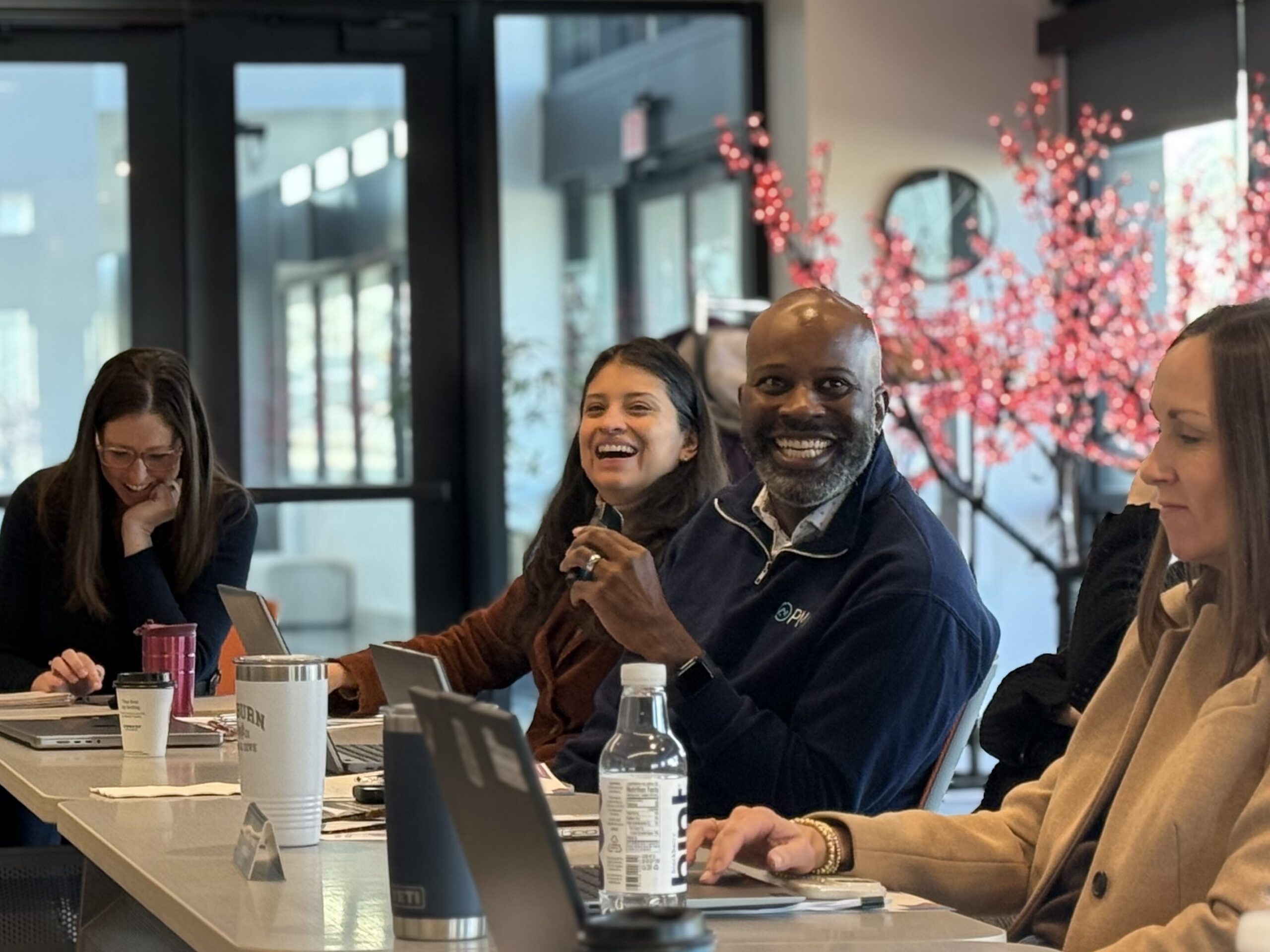
Together, REACH and Community Wealth Partners engaged more than 85 voices across the Foundation’s six-county service area through interviews, focus groups, site visits and working sessions. These conversations and input helped the Board and staff better understand where investments are making a difference, where needs are changing, what those needs are, and which financial commitments matter most.
Lisse Regehr, president and CEO of Thrive Allen County and a member of the Strategic Planning Steering Committee, said the process stood out for its discipline and focus.
“REACH Healthcare Foundation’s strategic planning process wasn’t about chasing the next big idea. It was about listening, learning and having the discipline to focus on the work that creates lasting impact,” Regehr said. “I appreciate REACH’s willingness to ask hard questions, challenge assumptions and stay rooted in its mission recognizing that the world around us continues to change. That balance of humility, courage and strategic focus is exactly what communities need from philanthropy right now.”
Mariana Ramirez, director of Juntos and Strategic Planning Steering Committee member, highlighted the role community members played in shaping the direction.
“Serving on REACH’s Strategic Planning Steering Committee reinforced what meaningful partnership can look and feel like,” said Ramirez. “This wasn’t a process where community voices were simply invited to the table, we helped shape the conversation and the direction. We had honest discussions about the challenges facing our region, the changing policy landscape and what it will take to build healthier communities over the long term.”
What Staying the Couse Means
Continuing the work with a sharpened Community Investment Framework goes beyond the status quo. The Foundation views strategic steadiness as an important form of trust-based philanthropy, and an intentional decision to deepen its approach, strengthen community-led solutions and respond more intentionally to a changing funding and policy environment.
REACH leadership recognized that strategic planning efforts often result in significant changes to funding priorities and can create uncertainty for nonprofit partners and systems that help people access health care, coverage and other essential services. Moving forward, the Foundation will place greater attention on organizations that are critical to the safety net ecosystem and maintaining local health care access, particularly those facing increased demand or experiencing the effects of reductions in public funding.
For REACH Vice President of Programs Carla Gibson, the next strategic period creates room to think more creatively about how philanthropic resources can respond to the funding challenges of nonprofit organizations.
“Staying the course gives REACH an opportunity to be more creative and flexible in how it supports partners, particularly as organizations face funding cuts and greater demand,” said Gibson. “This is an opportunity for us to double down, and build collective power to consider how our resources, relationships and voice can help bridge funding gaps and identify solutions that no single funder can address alone.”
For grantee partners, this approach is intended to provide stability while giving organizations room to lead.
REACH will also continue investing in organizations that have historically had less access to philanthropic resources and decision-making, including Black-led, Black-serving organizations, immigrant and refugee communities, rural communities and others working closely with people most affected by health inequities.
“The Foundation is not scaling back because things are harder to predict,” said Ramirez. “Instead, it is leaning in. REACH understands that organizations serving people facing the greatest challenges need steady support, especially in uncertain times like these. That consistency is not only reassuring, it is also what allows us to keep showing up for our communities.”
Looking Ahead
In the months ahead, the Foundation will share more about how the 2027-2029 Community Investment Framework will guide grantmaking and what partners can expect.
The next three years will likely bring unanticipated challenges. The Foundation has no illusions about the difficulties ahead. But as a result of this most recent planning process, leadership enters this next chapter with a clearer understanding of where REACH can make the most impact and create strong partnerships with those organizations already leading the work across the region.
“What excites me the most about what comes next is that REACH is building from a position of strength,’ said Sharpe. “The Foundation knows where it needs to stay focused, has partners who bring tremendous knowledge and leadership to this work, and has an opportunity to think differently about how philanthropy can respond to this moment. The nonprofit sector is historically resilient and resourceful, and working together, we will navigate the road ahead. REACH is committed to walking alongside our partners with purpose, confidence and a strong sense of what is possible.”
Click the link to learn more about the 2027-2029 Strategic Plan.